
Board Games vs Video Games: Which is Better for Kids' Education?
Logicology Team
Education Experts
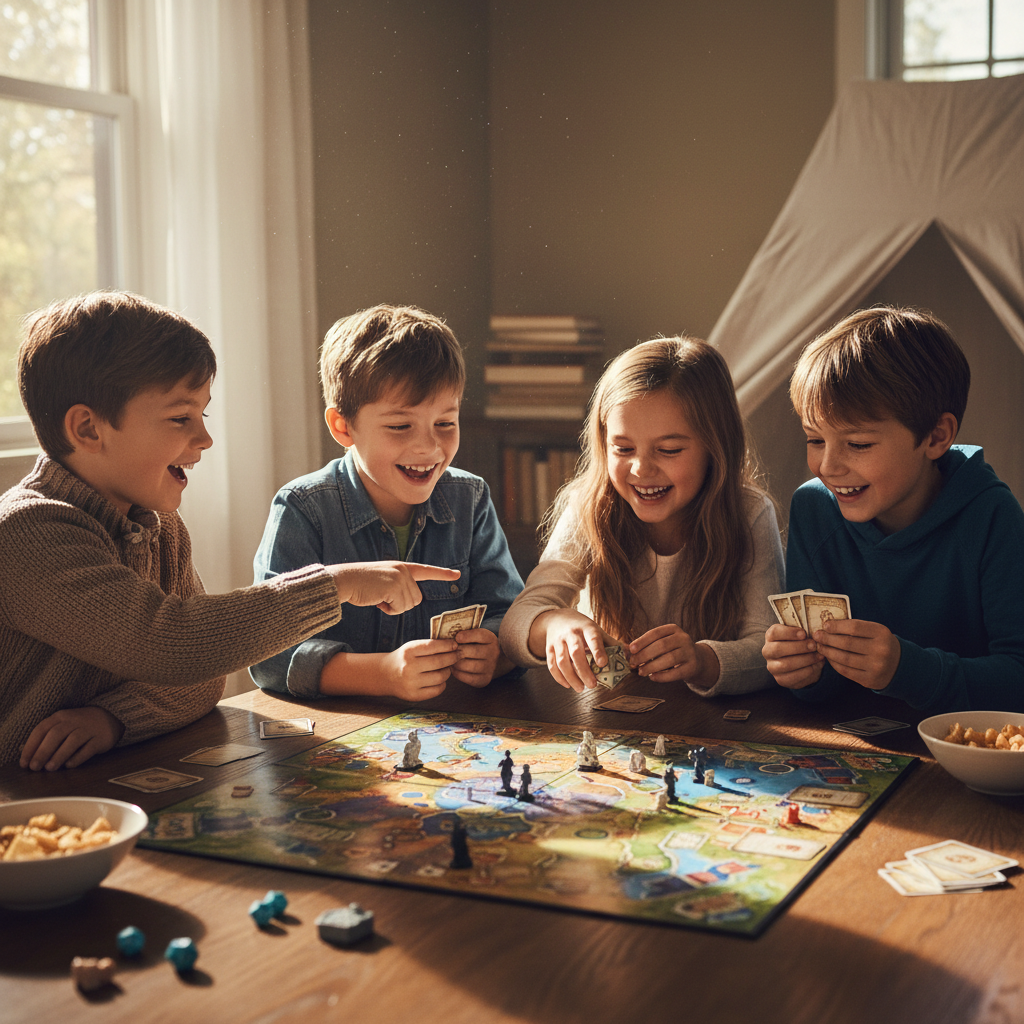
Choosing educational activities for children can often feel like navigating a complex maze. Parents frequently find themselves weighing the merits of traditional pastimes against modern technology. In the realm of learning through play, two titans consistently emerge: classic board games and engaging video games. Both offer unique benefits and potential drawbacks, making the decision of which is "better" for a child's education far from straightforward.
At Logicology, we understand the importance of informed choices when it comes to fostering young minds. This article will delve into a comprehensive comparison, exploring how board games and video games contribute to children's development, and helping you determine the best fit for your family's educational journey. We'll examine the core strengths of each, explore real-life scenarios, and debunk common myths to provide a balanced perspective.
What Are Board Games And When Do They Shine?
Board games, with their rich history and diverse mechanics, have been a cornerstone of play-based learning for centuries. They offer a unique blend of entertainment and education, fostering a range of skills that are crucial for development. From simple roll-and-move games to complex strategy titles, board games engage children in a profoundly tactile and social manner.

Benefits of Board Games for Education
Social Skills and Emotional Intelligence
Playing board games requires active participation with others, promoting communication, cooperation, negotiation, and conflict resolution. Children learn to take turns, share, and manage winning and losing gracefully. These interactions are vital for developing empathy and understanding social cues.
Critical Thinking and Strategy
Many board games demand forward planning, problem-solving, and adapting strategies based on opponents' moves. This stimulates critical thinking, logical reasoning, and decision-making abilities.
Patience and Focus
Unlike the instant gratification often found in digital media, board games teach children to wait their turn and maintain focus over a sustained period, cultivating patience and concentration.
Numeracy and Literacy
Games often involve counting spaces, managing resources, reading cards, or following instructions, subtly reinforcing mathematical and language skills.
Fine Motor Skills
Manipulating game pieces, shuffling cards, or rolling dice helps children develop and refine their fine motor coordination.
Screen-Free Engagement
Board games provide a valuable alternative to screen time, encouraging face-to-face interaction and imaginative play without digital distractions.
When To Choose Board Games for Your Child
Board games are an excellent choice for families looking to:
- ✓Foster Family Bonding: They create shared experiences and conversations, strengthening family relationships.
- ✓Develop Structured Thinking: Ideal for children who benefit from clear rules, defined goals, and sequential problem-solving.
- ✓Encourage Social Interaction: Perfect for promoting direct communication and social skills in a fun, low-pressure environment.
- ✓Limit Screen Time: A fantastic way to engage children meaningfully while stepping away from digital devices.
- ✓Support Tactile and Kinesthetic Learners: The physical act of playing with pieces can be highly engaging for children who learn best by doing.
Explore our collection of educational games designed to inspire young minds. Board games provide a hands-on way for children to learn vital skills, making them a timeless choice for educational play. For more on the history and types of these games, consider exploring the Board game Wikipedia page.
What Are Video Games And When Do They Win?
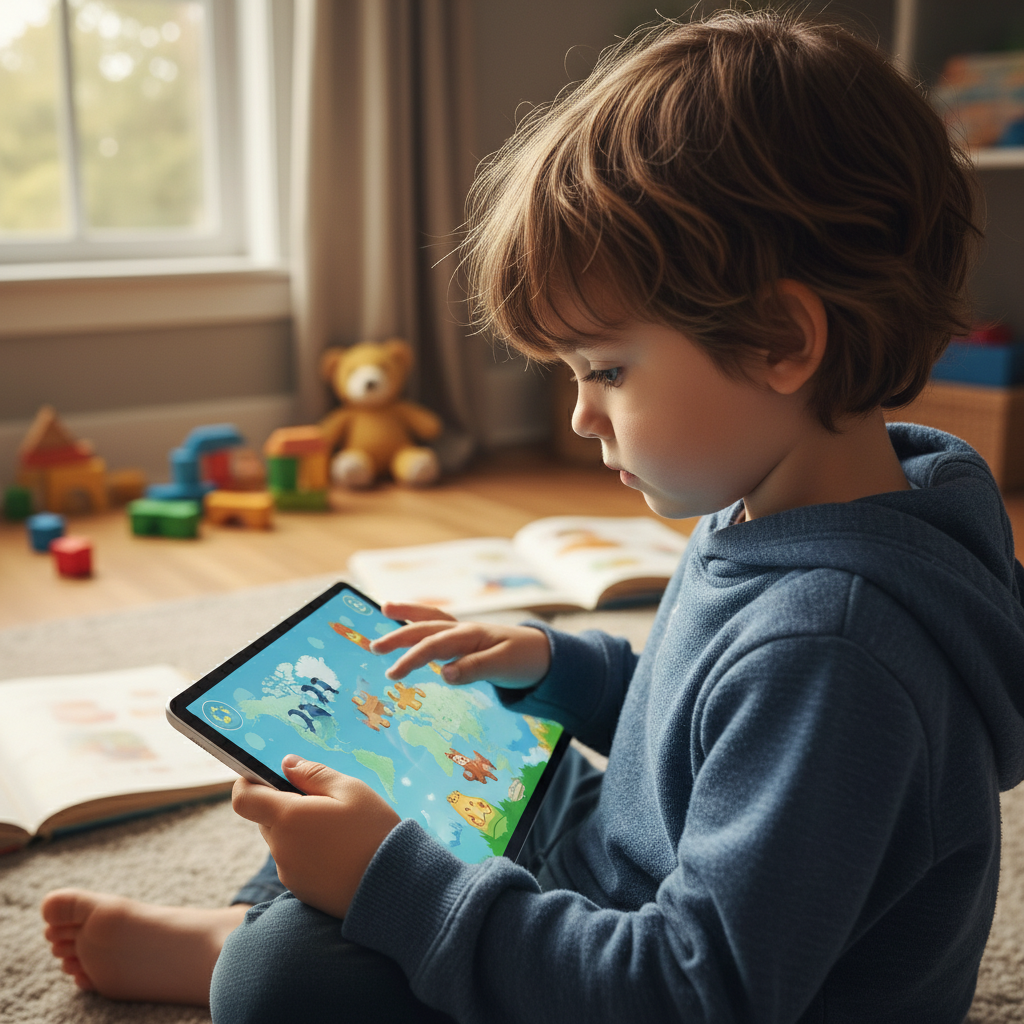
In today's digital age, video games are an inescapable part of many children's lives. Far from being mere distractions, a growing body of research suggests that many video games offer significant educational benefits, particularly when chosen thoughtfully. They provide dynamic, immersive environments that can challenge and educate in ways traditional methods cannot.
Benefits of Video Games for Education
Digital Literacy and Tech Proficiency
Video games naturally introduce children to digital interfaces, navigation, and problem-solving within technological environments, preparing them for an increasingly digital world.
Quick Decision-Making and Problem-Solving
Many games require rapid assessment of situations and swift choices, honing quick thinking, strategic planning, and adaptability in dynamic scenarios.
Hand-Eye Coordination and Reflexes
The precise control needed for most video games significantly improves fine motor skills, spatial awareness, and response times.
Cognitive Flexibility
Players often need to learn new rules, adapt to changing game mechanics, and think creatively to overcome challenges, fostering cognitive flexibility.
Access to Educational Content
A vast array of video games are specifically designed for education, teaching subjects from history and science to coding and logic in an engaging format.
Persistence and Resilience
Overcoming challenges and failing repeatedly before succeeding in a game teaches valuable lessons in persistence, resilience, and learning from mistakes.
When To Choose Video Games for Your Child
Video games can be an excellent educational tool for families who wish to:
- ✓Embrace Digital Skills: Ideal for introducing children to technology and digital problem-solving in an engaging way.
- ✓Stimulate Independent Learning: Many video games are designed for individual play, allowing children to learn at their own pace and explore topics of interest independently.
- ✓Develop Specific Skills: Particularly effective for honing quick reflexes, strategic thinking in real-time, or learning specific subjects through interactive simulations.
- ✓Provide Immersive Experiences: For children who thrive in visually rich, dynamic, and story-driven environments.
- ✓Connect with Peers: Online multiplayer games can facilitate social interaction and teamwork, albeit in a digital context.
For a deeper understanding of the evolution and impact of digital play, refer to the Video game Wikipedia page. Thoughtfully chosen video games can be powerful tools for developing vital 21st-century skills.
Real Life Scenarios
Let's explore how different situations might benefit more from one type of game over the other.
For Social Development and Communication
If your primary goal is to enhance face-to-face social skills, empathy, and direct communication, board games are usually the stronger choice. They naturally create scenarios for turn-taking, negotiation, and celebrating wins or commiserating losses together. Examples include cooperative board games where players work together towards a common goal.
For Critical Thinking & Problem Solving
Both game types excel here, but with different nuances. Board games like chess or "Ticket to Ride" demand long-term strategic planning and logical deduction. Video games such as "Minecraft" or puzzle platformers challenge children with dynamic problems, requiring quick adaptation and creative solutions in real-time. The best choice depends on whether you prefer static, contemplative strategy or dynamic, reactive problem-solving.
For Digital Skills and Future Readiness
Video games are undeniably superior for developing digital literacy, comfort with technology, and understanding complex digital interfaces. Educational coding games, simulations, and even well-designed adventure games can teach valuable computational thinking and problem-solving skills essential for the modern world.
For Calm & Focused Engagement
While some video games can be calming, board games often offer a more naturally focused and less overstimulating experience. The physical presence of the game and the direct interaction can help children practice sustained attention without the constant sensory input of many video games. This can be particularly beneficial for children who struggle with sensory overload.
So... Board Games Or Video Games?
The verdict is not an "either-or" but rather a "both-and" scenario for many families. Both board games and video games offer invaluable educational experiences that contribute to a child's holistic development. The ideal approach often involves integrating both into a child's play routine, leveraging the unique strengths of each.
Consider your child's individual needs, interests, and developmental stage. Reflect on the specific skills you aim to foster and choose games that align with those objectives. A healthy balance ensures children benefit from both the rich social and tactile experiences of traditional play and the dynamic, digitally-driven learning opportunities of modern technology.
At Logicology, we believe in fostering learning through engaging and thoughtful activities. Whether you're looking for mind-bending puzzles or exciting adventures, we encourage you to browse our products to find resources that support your child's growth. The most important thing is to make play a meaningful and enriching part of their education.
Frequently Asked Questions (FAQ)
Q: Are video games ever truly educational for kids?
A: Yes, many video games are designed with educational objectives, teaching skills ranging from problem-solving, strategic thinking, and historical facts to coding and digital literacy. The key is to choose age-appropriate and content-rich games, and to monitor screen time.
Q: What is a good age to introduce board games to children?
A: Board games can be introduced very early, even around ages 2-3, with simple games focused on color matching, counting, and turn-taking. As children grow, more complex games can be introduced to develop strategic thinking and social skills.
Q: How can I balance board games and video games for my child's education?
A: A balanced approach is often best. Establish clear guidelines for screen time, prioritize interactive and educational video games, and designate regular family board game nights. Encourage discussion about strategies and lessons learned from both types of games.
Q: Do board games offer any unique benefits that video games cannot?
A: Yes, board games uniquely promote face-to-face social interaction, direct communication, and the tangible manipulation of physical objects. They also provide a focused, screen-free environment conducive to calm concentration and family bonding, aspects that are harder to replicate in purely digital formats.
Q: Can playing video games improve a child's academic performance?
A: Research suggests that certain types of video games, particularly those that require problem-solving, strategic thinking, and quick decision-making, can positively impact cognitive skills transferable to academics. However, passive gaming or excessive screen time can have negative effects, so balance and content choice are crucial.
Ready to Enhance Your Child's Learning Journey?
Explore our carefully curated collection of educational games and activities designed to foster critical thinking and problem-solving skills.